Smithsonian Institution Archives
  • Collections
  • Services
  • Smithsonian History
  • About
  • Education
  • Blog
  • Forums
  • Press
  • Audiences
  • Donate

The Bigger Picture: Visual Archives and the Smithsonian

Posts tagged with: Photo History

Photo Sleuth: When the Evidence Doesn’t Add Up

by Pamela M. Henson on May 14, 2013

What is a researcher to do when the historic caption contradicts the information in the historic photograph?  Here at the Archives, we encounter this occasionally in our work and have to remember that sometimes people in the past made mistakes.  Just because something is written in beautiful 19th century penmanship doesn’t mean it is always correct.

Washington, D.C., April, 1865, by Mathew Brady Studio probably, 1863, photographic print, Smithsonian Institution Archives, Record Unit 95, Box 67, Folder 4, Negative number 2002-21691.

I encountered this issue recently when asked about the caption for an image of the Smithsonian Institution Building or Castle from the 1860s, probably taken by Mathew Brady's Studio.  There are several versions of this picture from slightly different angles and the picture is held by the Smithsonian Institution, the Library of Congress, and the National Archives, among other repositories.  In one of our two copies, there is a beautifully written caption, "Washington, D.C., April, 1865."  This lovely picture, with a sweeping view of the National Mall, shows the Smithsonian Castle at the center.  The view is looking east from what is now Independence Avenue, but was B Street at the time the photograph was taken.  A few houses along B Street, SW, can be seen to the right.  People are standing along B Street, with a fence between the street and the "Smithsonian Park," which had been landscaped according to a plan by landscape architect Andrew Jackson Downing.  The Castle is nestled among a stand of trees, far different than the stark flat Mall we know today.  The Smithsonian’s Magnetic Observatory can been seen within the trees.  The US Capitol is in the distance, with downtown Washington behind the Castle. 

So what could be wrong with that caption?  It looks like a Civil War era photograph?  However, several things about the buildings tell us it could not have been taken in April 1865.  The new dome is under construction on the Capitol – hard to see but just visible when enlarged.  The dome was built from 1855 to 1866 and would have been further along in 1865.  More important is the Castle itself.

Fire in the Smithsonian Institution Building, by Alexander Gardner, January 1865, photographic print with painting, Smithsonian Institution Archives, Record Unit 95, Box 30, Folder 9, Negative number MAH-37082.

In January of 1865, the Castle was damaged in a devastating fire and. We know from written reports that the roof over the center of the building collapsed, and the caps on the north towers were consumed in the flames.  A photograph taken shortly after the fire captures the damage.

The fire pictures are also inaccurate.  Photographer Alexander Gardner painted the flames into the photograph he took that day, and he put the flames in the wrong part of the building – set in the east wing, but the actual damage was more in the west wing and center of the building. 

The Harper’s Weekly image has the entire building consumed in flames, again inaccurate since the east wing did not sustain much damage. 

Going back to our original image, we now know that the Castle would not have had caps on the north towers in April of 1865, and the central roof was still under repair.  So we know that this image was taken prior to the caption written on the image, probably 1863.  Photo research requires us to compare and contrast the written with the image.  A report on the fire detailed  what parts of the building were damaged, refuting the fanciful images by Gardner and Harper’s Weekly.  Visual information in the first image provides evidence that the image was not taken in April 1865, no matter how carefully written the caption is.  While it may seem challenging, such detective work is often the most fun parts of our days, as we track down clues and convict the erroneous caption.

Related Collections

  • Record Unit 95 - Photograph Collection, 1850s- , Smithsonian Institution Archives
Categories: Collections in Focus
Tags: American History, Cities/Places, Archive, Photo History
Comments: View comments, or Give us yours!
All comments are moderated and subject to approval. Further information is available in The Bigger Picture’s Commenting Guidelines.

Link Love: 5/10/2013

by Mitch Toda on May 10, 2013


  • A new video from the Library of Congress profiles the Packard Campus for Audio Visual Conservation in Culpepper, Virginia. [via The Signal: Digital Preservation, LOC]
  • Another awesome digitization project, the Balboa Park Commons is an online archive of over 20,000 digitized materials from seven different San Diego museums. [via PetaPixel]
  • Secretary G. Wayne Clough shares his reminiscences of his childhood in rural Georgia at the National Museum of American History's Agricultural Innovation and Heritage Archive. [via Pam Henson, SIA]
  • If you are in New York City before September 2nd, be sure to check out the exhibition, Photography and the American Civil War, at the Metropolitan Museum of Art. [via PetaPixel]
  • As new archivists head out into the workplace, digital preservaion knowledge and skills are a must.  Alison Langmead and Brian Beaton, at the University of Pittsburgh talk with with Library of Congress about their approach to teaching about digital preservation. [via The Signal: Digital Preservation, LOC]
  • Images of Apple products are seemingly ubiquous, but have you ever wondered how the images were taken?  Photographer Peter Belanger gives us peek into what goes into taking these iconic images. [via PetaPixel]


Categories: What Gets Saved
Tags: Web/Tech, Photo History, Digitization, Link Love
Comments: View 2 comments, or Give us yours!
All comments are moderated and subject to approval. Further information is available in The Bigger Picture’s Commenting Guidelines.

Highlight from the Photo Cold Vault: Gelatin Dry Plate Negatives

by Eden Orlove, Contractor, Collections Care Division on May 9, 2013

As a contractor at the Smithsonian Insitution Archives, I work with the photographic collections stored in our cold vault.  Among the various photographic formats found there are a particular type of glass plate negatives; gelatin dry plate negatives.

Invented by Richard Leach Maddox in 1871, gelatin dry plate negatives became the most popular form of negative in use from 1880 to 1900.  Maddox developed a technique to fix a light-sensitive gelatin emulsion to a glass plate.  Previously, photographers used the collodion negative process, which often required them to create portable dark rooms or prepare negatives on site.  Gelatin dry plate negatives utilized different sensitizing, fixing, and development solutions that provided faster exposure times, less toxicity, and a significantly easier and less cumbersome production process.  With the invention of lightweight flexible film, photographers stopped regularly using the gelatin dry plate negative process, although it is still sometimes used today for highly specialized photography , such as the creation of precise astronomical measurements.

A large number of the Smithsonian Institution Archives' holdings of glass plate negatives (which number circa 20,000) are kept in a special storage facility referred to as the cold vault.  The temperature and humidity are controlled and kept low, so when working in the vault it is important to bundle up!

Eden Orelove in the SIA cold vault, 2013

I have been working over the last year to improve the preservation of the glass plate negative collections in the cold vault.  The glass plates have been rehoused in specially designed conservation boxes that provide essential support and padding.

Box of rehoused glass plate negatives, 2013.

While gelatin dry plate negatives tend to have an excellent shelf life, their glass composition makes them fragile.   When I discover a broken negative, I piece it back together, digitize it, create metadata for the image and stabilize it in a sink mat.

Stabilized broken glass plate negative, 2013

The gelatin dry plate negatives in the Archives' collections are a rich historical resource and it is a privilege to know that the work I do to stabilize and rehouse them  will preserve the negatives for future generations.  Be on the look out for my upcoming post that will highlight another photographic format held in the cold vault: lantern slides.

Related Resources

  • What Does a Photograph Archivist Do?, The Bigger Picture blog, Smithsonian Institution Archives
  • Putting It All Together: The Assembly and Rehousing of Glass Plate Negatives, The Bigger Picture blog, Smithsonian Institution Archives
  • Unlocking the Vault, The Bigger Picture blog, Smithsonian Institution Archives

Related Collections

  • Accession 11-006 - United States National Museum, Division of Graphic Arts, Photographic Collection, 1860-1960, Smithsonian Institution Archives
Categories: What Gets Saved
Tags: Archive, Photo History, Conservation
Comments: View 4 comments, or Give us yours!
All comments are moderated and subject to approval. Further information is available in The Bigger Picture’s Commenting Guidelines.

Link Love: 4/26/2013

by Mitch Toda on April 26, 2013

The George W. Bush Presidential Library and Museum, courtesy of the National Archives and Records Administration.

  • Seems like keeping digital images on you memory card and never transferring them to your computer has a historical anticedent: Undeveloped used film in old cameras. [via PetaPixel]
  • Born digital records abound in archival collections the world over, Donald Mennerich, a Digital Archivist at the New York Public Library, talks about the work and tools he uses to preserve these records. [via The Signal, Digital Preservation, LOC]
  • The State Library of North Carolina and State Archives of North Carolina has released a redesigned, streamlined and mobile friendly digital preservation education site. [via Effie Kapsalis, SIA]
  • Each person works at the Smithsonian has their own story to share about how they wound up there, Michelle Selvans, a planetary scientist in the National Air and Space Museum’s Center for Earth and Planetary Studies, shares hers. [via AirSpace, NASM]
  • A reunion of all the living United States Presidents occured yesterday at the dedication of the George W. Bush Presidential Library and Museum in Dallas, Texas. [via Prologue: Pieces of History, NARA]
  • Tools of the trade, a look into the Book Conservation Lab at the Smithsonian Institution Libraries. [via Unbound, SIL]
  • Words of inspiration for photographers from Joel Sartore, National Geographic photographer. [via PetaPixel]
Categories: What Gets Saved
Tags: American History, Web/Tech, Photo History, Link Love
Comments: View 1 comments, or Give us yours!
All comments are moderated and subject to approval. Further information is available in The Bigger Picture’s Commenting Guidelines.

Just Me and My Photos: Zoe Martindale SIA Image Cataloger

by Courtney Bellizzi on April 16, 2013

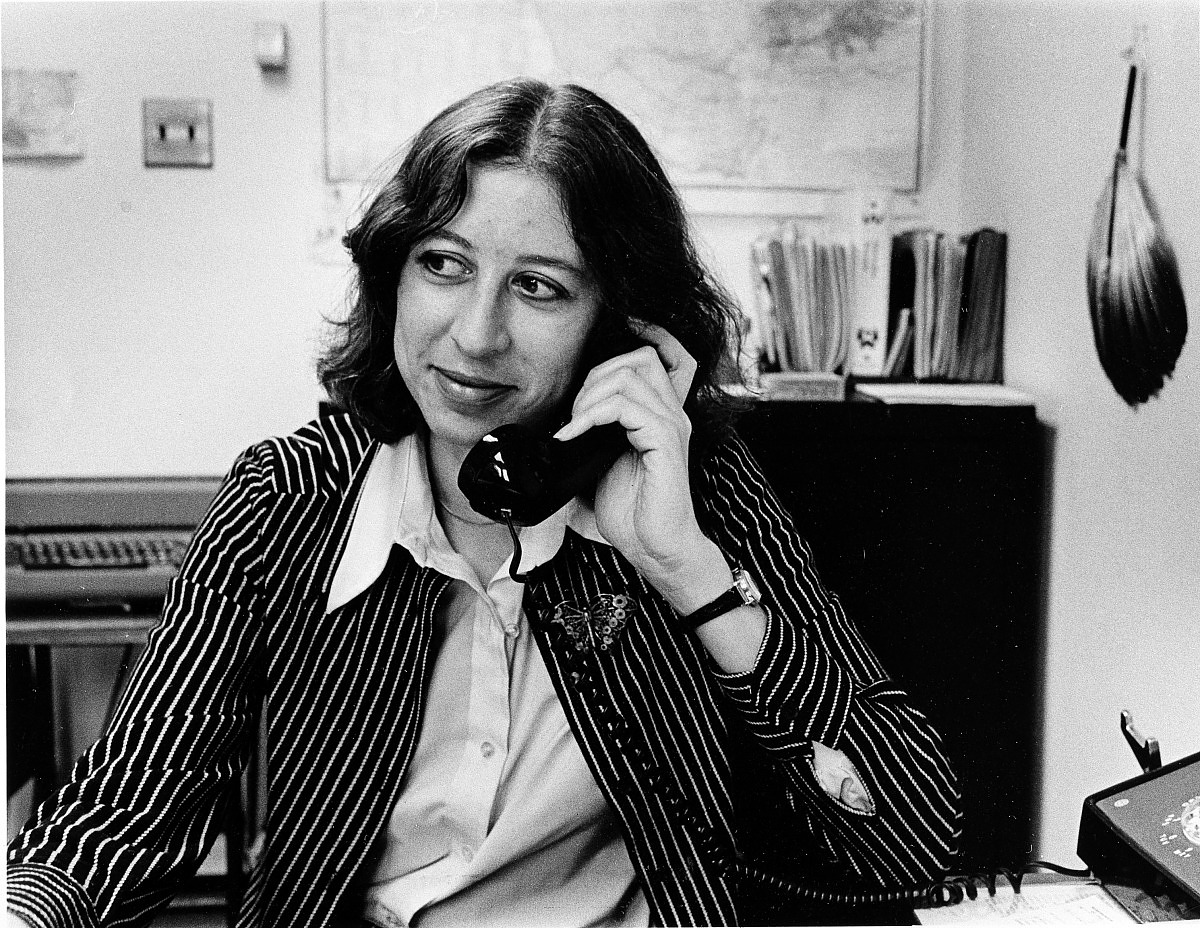
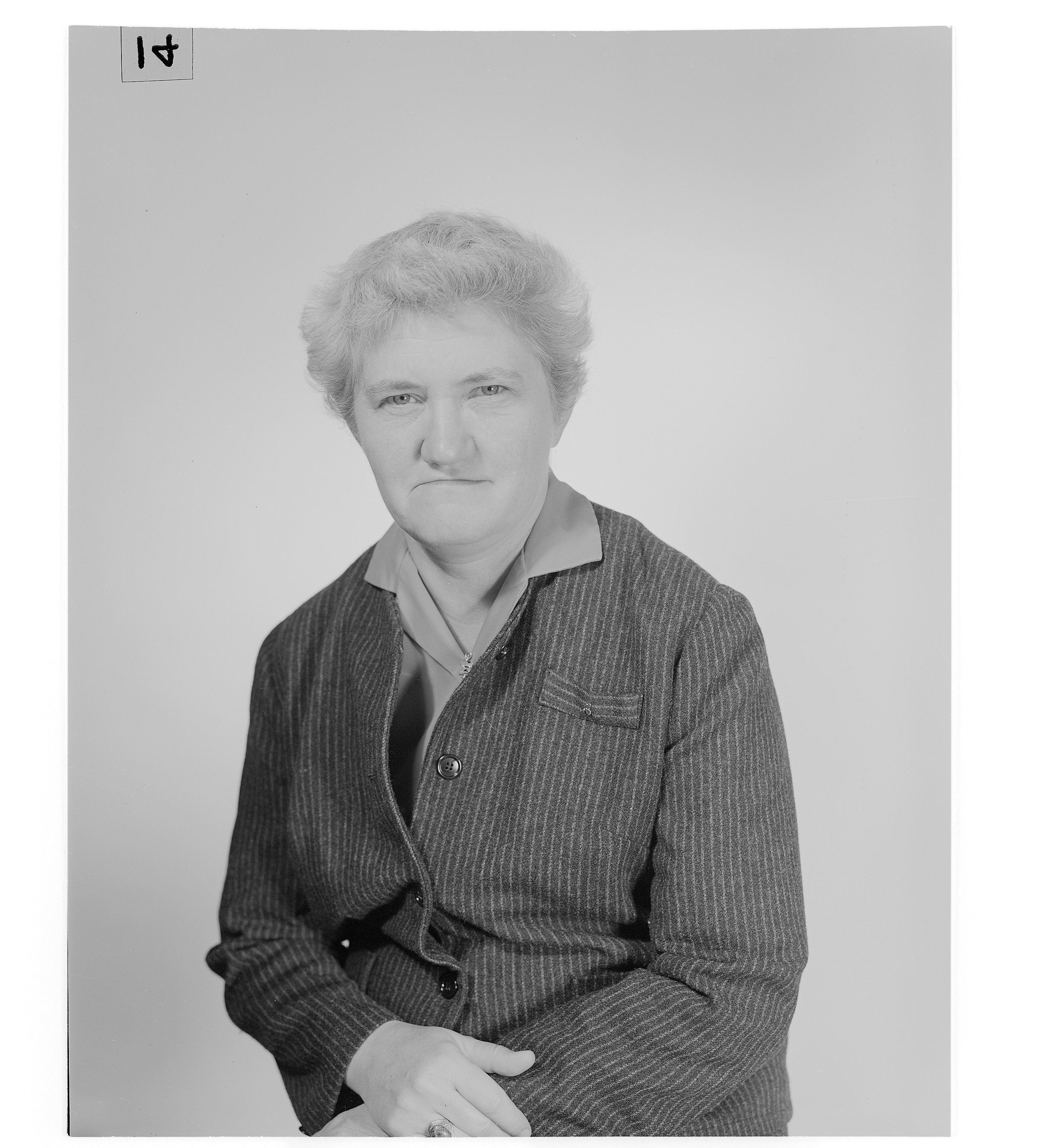
Zoe Martindale, 2011, by Courtney Bellizzi.American photographer and environmentalist Ansel Adams once stated, "A photograph is usually looked at—seldom looked into." Though this may be true for most people, for sixteen years the Smithsonian Institution Archives has been fortunate to have one volunteer to look into, research, discover, and catalogue thousands of images.

Zoe Martindale first came to  the Archives in 1997. Prior to retirement, Martindale read a Washington Post article about volunteer opportunities at the Smithsonian. She saved the article and when retirement came she promptly called the Smithsonian's volunteer office and applied for a position. The Smithsonian volunteer opportunities appealed to her because she thought it would give her a chance to "exercise her brain." Never one to stay idle, once accepted into the program Martindale scrolled through the hundreds of positions, looking for one that might be a good fit.  She knew she did not want to be a docent, but was otherwise open to anything. When asked why the  Archives position appealed to her, Martindale replied "I am not sure why the job stuck out to me, it just did."

Martindale came to the  the Archives offices, then located in the Arts and Industries Building (a building which she loved to work in and explore), and interviewed for the position with Historian Pam Henson. Today she recalls with amusement that Henson told her she needed a volunteer who could stay at least a year or two, since the training was pretty involved. Over a decade later she is still at the Archives chipping away at her work. 

As a historic image cataloguer, Martindale catalogs the images into a Smithsonian database, which allows them to be viewed on the Archives'  website and the Smithsonian's Collection Search Center. For each image, Martindale enters the physical and digital descriptions and locations, along with a summary and index terms. She loves to "find out information about the image, and elaborate on the brief descriptions that she is given." She also works diligently to come up with index terms so that people can easily find the images in search engines.

Zoe discovered that these views of the construction of the northwest quadrant of the United States National Museum (Arts & Industries Building) were all taken from the same point of view over time.

When an image first comes across her desk, Martindale "always questions what the image is showing and always feels that there is more information to find and more context to add." Information is "not just about the image itself, but the people, places and topics, that the image touches on." She looks at the image from the point of view of the public, and asks, "why is it important and where does it fit into the Smithsonian story?"

For Martindale it is "important to notice the small things," to differentiate one image from another. In fact she has helped determine dates by finding small details that others have missed. Martindale can look at an image that looks similar to a different image, but find there are differences to tell them apart. When asked how she acquired this skill, she replied, "I am not sure why I can pick it out, it just comes to me." The other invaluable skill Martindale possesses is her ability to remember every image she has come across. She commented, "I don't necessarily remember the content information and details, but I can look at a picture and remember if I cataloged it or an image that is similar to it." This allows her to connect images to others found in different collections that might otherwise have remained separate.

Prior to working at the Archives, Martindale never worked with images before. She always loved looking at photographs, but never pursued photography herself.  Martindale said, "I am bad at taking pictures because I cut people out of them accidently." However, she is always amazed to see what people can see in images. "I am always interested in what people see and pick out, because I can pick the picture apart." Aerial view of The Mall, by Unknown, Smithsonian Archives - History Div, 43049-E or MAH-43049E.

And the more to pick out the better. When asked what her favorite images are, Martindale replied, "I really like researching the scenes of Washington, DC, love the images of the history of the buildings. People images are not always very interesting, but I really like the buildings, and the changing face of the National Mall." She loves "images with multiple elements in the foreground, background, sides, and pointing those out to the public." But it is the mystery of each picture that brings her back for more each week. She sometimes goes home and mulls over the wording of the descriptions to make sure her summaries come across clear, so that people not only find it, but find it interesting.

Martindale sometimes becomes overwhelmed with the amount of images there are to describe. She can spend hours on one picture to try and identify things about the image, but likes that she will never run out of work. Martindale stated, "I have seen how the cataloging standards have changed and wish I could go back and improve some of the others, but I have so many new entries to do." She is still amazed though at how much she has learned about the Smithsonian and that it is much more than just the museums.

Martindale has become a great asset not just to the staff but to the research fellows, interns, and fellow volunteers. She constantly helps others with the images that she has cataloged, and likes to share her knowledge. Even after thousands of images, Martindale still gets excited when her images go live online. She loves sharing the things she has uncovered. When asked about the job Martindale simply stated, "some people might look at it as a boring job, but I love it."

Related Resources

  • Historic Pictures of the Smithsonian, Smithsonian Institution Archives
Categories: Behind the Scenes
Tags: Archive, Photo History, Behind the Scenes
Comments: View 2 comments, or Give us yours!
All comments are moderated and subject to approval. Further information is available in The Bigger Picture’s Commenting Guidelines.
  •  
  • 1 of 38
  • ››

Produced by the Smithsonian Institution Archives. For copyright questions, please see the Terms of Use.

Stay in touch!

Facebook Twitter Flickr YouTube SlideShare
Join our eNewsletter

About

Connecting you to America’s past with a behind-the-scenes exploration of the Smithsonian’s history, treasures, and the challenges that Archives face preserving collections. More details...

Smithsonian on Flickr Commons

Topics/Tags

  • See Here (611)
  • American History (542)
  • Science (429)
  • Archive (329)
  • Cities/Places (277)
  • Exhibitions (234)
  • Web/Tech (210)
  • Photo History (189)
  • Link Love (153)
  • Politics/Government (153)

Blog Roll

All Smithsonian blogs
American Historical Association Blog
American Institute of Conservation Blog
Archives Next
Archives of American Art
Around the Mall
Field Book Project
Hanging Together
Library of Congress Blogs
National Archives (US) Blogs
National Museum of American History, O say can you see?
Smithsonian Collections Blog
Smithsonian Libraries
Teaching American History

Categories

  • Collections in Focus (989)
  • What Gets Saved (337)
  • Behind the Scenes (212)
  • Smithsonian History (134)

Recent Posts

  • Sneak Peek 5/20/2013
  • Link Love: 5/17/2013
  • See Here: 5/17/2013
  • Weird and Wonderful: The Surprising Mrs. Hilda Hempl Heller
  • Women in Science Wednesday: Anne Hagopian

Monthly Archive

  • May 2013 (21)
  • April 2013 (26)
  • March 2013 (26)
  • February 2013 (26)
  • January 2013 (28)
  • December 2012 (26)
  • November 2012 (28)
  • October 2012 (32)
  • September 2012 (26)
  • August 2012 (31)
  • July 2012 (26)
  • June 2012 (27)
  • May 2012 (27)
  • April 2012 (27)
  • March 2012 (28)
  • February 2012 (27)
  • January 2012 (26)
  • December 2011 (31)
  • November 2011 (28)
  • October 2011 (35)
  • September 2011 (31)
  • August 2011 (35)
  • July 2011 (41)
  • June 2011 (43)
  • May 2011 (33)
  • April 2011 (40)
  • March 2011 (43)
  • February 2011 (35)
  • January 2011 (36)
  • December 2010 (42)
  • November 2010 (40)
  • October 2010 (44)
  • September 2010 (37)
  • August 2010 (39)
  • July 2010 (38)
  • June 2010 (37)
  • May 2010 (42)
  • April 2010 (44)
  • March 2010 (47)
  • February 2010 (40)
  • January 2010 (39)
  • December 2009 (43)
  • November 2009 (34)
  • October 2009 (11)
  • September 2009 (11)
  • August 2009 (12)
  • July 2009 (14)
  • June 2009 (10)
  • May 2009 (12)
  • April 2009 (14)
  • March 2009 (10)
  • January 2009 (1)
Smithsonian Institution Archives
eNewsletter Facebook Twitter Flickr Historypin YouTube SlideShare Browsealoud
Smithsonian Institution
  • Privacy
  • Copyright
  • Contact